
Pregnancy
The first trimester: what to expect and when to seek advice
6 min read
Early pregnancy brings rapid change. Here is a practical guide to common symptoms, useful habits and the signs that need medical attention.
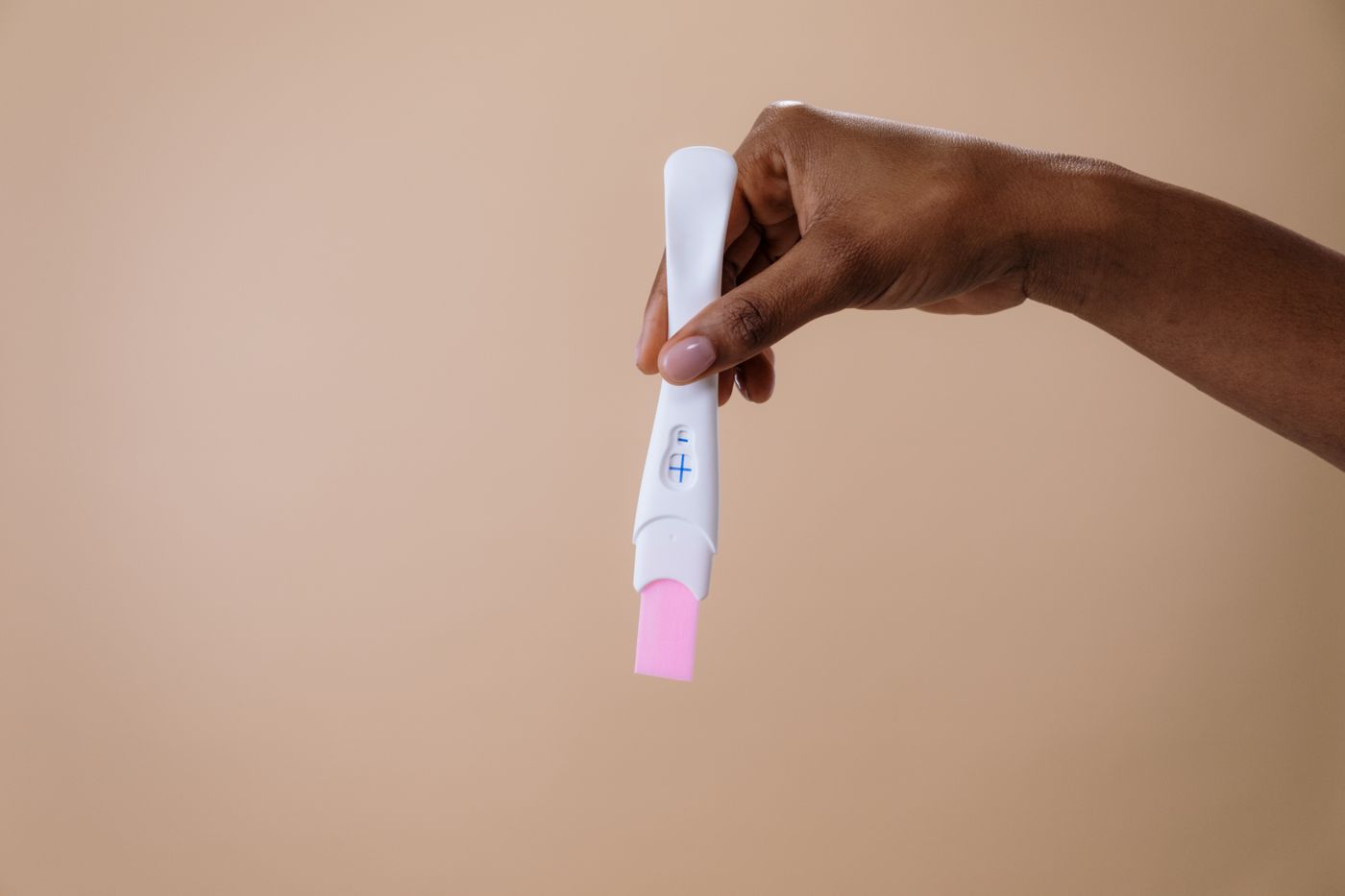
The first twelve weeks
The first trimester covers conception to the end of the twelfth week. It is a period of rapid development, and also the time when many women feel most unwell.
Booking an early antenatal visit allows the pregnancy to be confirmed, your baseline health to be reviewed and a schedule of care to be planned.
Common symptoms
Most early pregnancy symptoms are expected and settle as the pregnancy progresses.
- Nausea, sometimes with vomiting
- Tiredness and disturbed sleep
- Breast tenderness
- Changes in appetite and food aversions
- Frequent urination
- Mild lower abdominal cramping
Habits that help
Small, frequent meals often ease nausea better than large ones. Keep fluids up, rest when you can and take only those supplements and medicines advised by your doctor.
Avoid alcohol and smoking, and check with your doctor before taking any over-the-counter medication.
When to seek medical advice
Contact your doctor promptly if you notice any of the following.
- Vaginal bleeding
- Severe or one-sided abdominal pain
- Persistent vomiting with inability to keep fluids down
- Fever
- Fainting or severe dizziness
Frequently asked questions
Is spotting in early pregnancy always serious?
Not always, but any bleeding in pregnancy should be assessed by a doctor so the cause can be identified.
When is the first scan usually advised?
Timing depends on your individual assessment. Your doctor will advise the appropriate schedule at your first visit.